“For a new trend or innovation to be successful, it needs to be different enough—but not too different—from existing things.” says Scientific American
Fashion is often seen as fast moving and always changing, but a closer look shows something different: Styles rarely ever leaves for good. Instead, trends tend to cycle in and out of popularity, reappearing years or even decades after they were considered “dead.”
From mullets and baggie jeans, to low rise and bold prints, today’s styles are heavily influenced by the past. But this ongoing cycle, or recycle, is not only influenced by our history but by psychology and the growth of social media platforms’ influence.
“Historically, fashion trends tend to cycle every 20 to 30 years, influenced by external factors such as media, politics,
economics [but] trends have cycled in and out much quicker,” writes Scientific American
According to Scientific American, this increase in the speed with which fashions recycle has raised concerns because it fuels over consumption, which contributes to pollution of the planet.
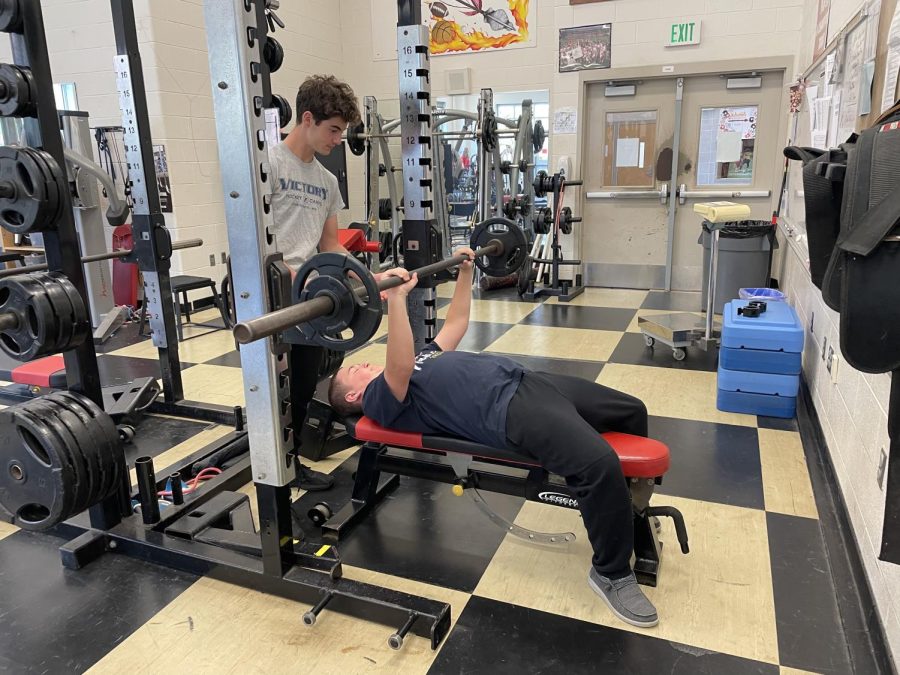
Michael Heller, the digital photography teacher at Linganore High School (LHS) and girls varsity soccer coach, compared fashion trends to a constant back-and-forth motion.
“I think it’s just like a pendulum,” Heller said “It swings one way for a while, and then it comes back and goes the other way.”
According to Heller, what was once popular will usually become fashionable again because people often look for something different from what is currently trending. He pointed to shorter athletic shorts and bleach, buzzed hair as examples of resurfacing styles from the 1980s.
“That was big when I was in high school,” Heller said, as he reflected on how familiar these “new” trends actually were.
Gerald Kirk, part of the engineering and architecture department at LHS shared a similar perspective but said the return of trends is more of a generational pattern.
“Theres like a skipping effect,” Kirk explained. “My parents were born in the 60s… I like that style, so my kids are gonna like things from the 60s.”
He believes fashion does not just repeat; it “hopscotches” across generations and resurfaces in a different font. For Kirk, this explains why young people are drawn to trends they have never personally experienced.
“ I think they think it’s new, because they didn’t live through it before,” said Heller.
“Newness” seems to be a big reason for the return of many fashion trends. For younger people, these different styles feel original when they are really just recycled.
Isabella Engler who is an 11th-grade student at Linganore, agreed with Heller.
“A lot of people are going back to the early 2000s … and honestly, fashion back then is way cooler,” Engler said.
According to Engler the “fear of missing out” is a key reason why we keep going back to older styles.
While fashion cycles have always been around, the speed of these cycles takes place at a faster pace. Social meda platforms like Tiktok, Instagram and Pinterest have made it easier for trends to spread
“If something [a trend] blows up; it spreads fast,” Kirk said.
This sentiment directly connects to GenZ’s constant attention to social media and always trying to fit in with the “most popular style,” making new or cyclical fashion trends quickly and easily reach millions of people in a short period of time.
Heller believes this exposure plays a big role in the spread of fashion trends.
“This generation is being exposed to pictures more than anybody else that’s ever lived,” Heller said.
With nearly unrestricted access to images, many can re-discover older images from decades ago, leading to fashions from the time becoming the next big thing.
“If you type in something, it puts it all over your feed,” said Engler. “You can definitely see how its[social media] influencing style changes.”
Influencers and celebrities play a huge role in this process, acting as the model for younger audiences.
“Its tough for somebody to have a lot of confidence to do something on their own, but if they see somebody on TV do it, then it catches on,” Engler said.
April Gilbertson, the president of the fashion club at LHS believes psychology is at the center of it all. People get bored of the current style,” Gilbertson said.
They think it was a cooler time[the past].. So they want it to come back, ” Gilbertson believes nostalgia seems to feed the desire for their return.
Although trends return, they never come back exactly the same. Instead they are updated to the modern standards
“Definitely updated,” Kirk said. “ Your guys’ baggy pants fit better… it’s not the same .”
In today’s day trends are tweaked in fit, material and quality making them different form the originals
“They can try to recreate the style they want , but it will never be the same as when it first came out,” Engler agreed.
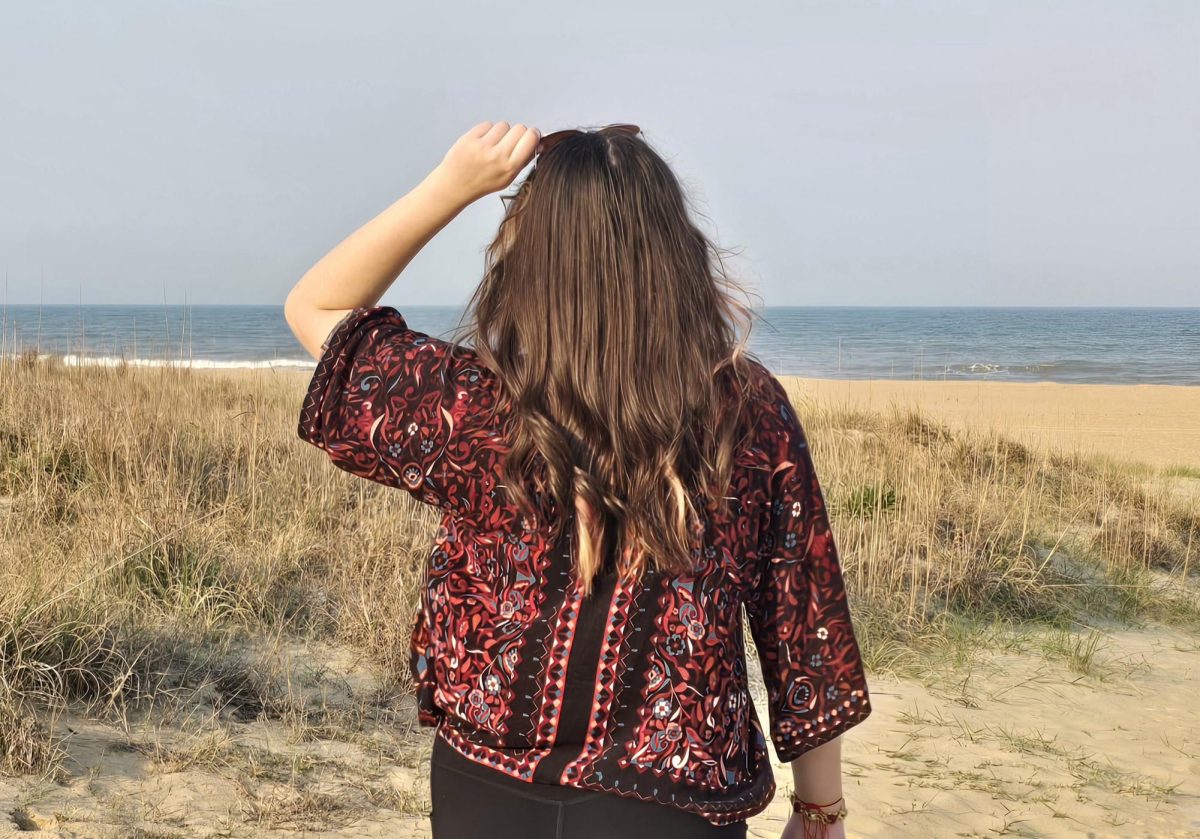
Some recent examples of returning trends are flare jeans from the 70s, baggie pants from the 90s, and early 2000 style like bright colors, and low-rise jeans. Patterns like polka dots and leopard print have been resurfacing.
Some trends don’t stay for too long, these are called “micro-trends” like bows and ribbons “they were big for a little but now they are just gone,” Enagler said.
Many believe that the cycle will continue forever, and we will just keep building off of the past.
“I think we will come back around eventually,” Kirk says. Even trends that fade now will return in the future generations, slightly changed for their taste. Gilbertson agreed, she explained that items like shoes and clothing styles will continue to rotate in and out of popularity over time.
Fashion isn’t as unpredictable as it looks, it follows patterns that have been shaped by our history, psychology and now more than ever, our technology.
“At the end of the day, fashion is supposed to be fun and unique to who you are, not just a reflection of what is trending on social media.” Sartorial Magazine said, which is a good standard to live by.