

In today’s beauty industry, it is easy to get lost in the giant world of hair care products that promise miraculous results. However, many of these products contain ingredients that can strip your hair of its natural oils, leading to dryness, damage and a long list of other issues.
To truly achieve and maintain healthy hair it is essential to adopt a natural approach, understanding both the external treatments and the internal nourishment and maintenance will all contribute to hair health.
To navigate hair care, it is essential to separate fact from fiction. A widely known myth suggests that showering in cold water enhances hair’s shine; however, this is untrue.
As Nina Dinh, a professional stylist at The Beauty Company , clarifies, the shine we see from this process is only temporary. For lasting shine and moisture, Dinh recommends a combination that includes a high-quality conditioner, a nourishing hair mask and a lightweight oil [Amika Mirrorball, K18 Molecular Repair Mask, Amika Soulfood, Kerastase Elixir Ultime, Bumble and Bumble Hairdresser’s Invisible Oil, Ect].
Another myth that needs to be debunked is that “oily hair doesn’t need conditioner.” Dinh explained that “all hair needs conditioner.
“The conditioner is applied from your mids to ends, not your scalp,” Dinh said. “Skipping conditioner as a whole will eventually cause brittle and dry ends.”
Following this approach will keep your hair hydrated without creating other excess oils in your scalp.
The second step towards healthy hair is being mindful of the products used. It can be hard to find the perfect product for one’s hair, but when looking, watch out for sulfates, parbons, alcohol and synthetic fragrances, which are common culprits for damaging hair health. These ingredients can disrupt the natural balance of your hair, leading to dryness and irritation. Opting for products that are free of these harsh chemicals can make a significant difference in your hair’s overall health and appearance.
When searching for hair care, look for products that contain Glycerin, hyaluronic acid, collagen, crodasorb, tea tree oil and silk proteins. These ingredients will help to produce shine, hydrate, strengthen and repair hair.
Another factor Dinh said is important to take into consideration is the supplier.
“Buying from places like Amazon, TJMaxx, Marshall’s, etc. are difficult to regulate, which means it could be fake, expired and cause more damage to your hair,” Dinh said.
Instead of relying on these retailers, Dihn recommends buying hair products directly from your stylist will ensure the best quality.
Beyond product selection, adopting healthy habits is key. One of the simplest, yet most effective habits, is getting regular trims. Trimming your hair every few months removes split ends and prevents breakage, allowing your hair to grow longer and stronger.
“When the hair is already splitting at the ends, they have to be cut off or they’ll continue to split up the hair,” Dinh said.” [This causes] it to look scarce or thin at your ends. Keeping up with regular haircuts helps to maintain the hair looking full and healthy.”
Excessive heat from styling tools can also be detrimental. High temperatures weaken the hair structure, making it more prone to snapping or breaking. For those with colored hair, it can also accelerate color fading.
Dinh shared that the best way to safely style your hair is by using a strong heat protectant, controlling the temperature on your styling tools and avoiding hot tools when hair is wet.
Though some people turn to heat tools, especially people with curly patterns. Liana Maxwell, sophomore at Linganore High School, has a 3b-3c hair pattern. Maxwell likes to do a treatment called a Brazilian or a Brazilian Blowout on her hair. This treatment applies liquid keratin to the hair before it is flat ironed. Maxwell explained that the heat helps lock in the treatment, giving her hair nourishment and moisturization and creating less frizz.
If anyone is worried they have already damaged their hair from heat tools or other means, do not fear. There is always a way to correct the future health of your hair. This can be accomplished by cutting off the damage, maintaining a patient mindset and adding moisturizing products to your routine. One example of this is using a hair mask suitable for your hair texture.
Hair masks are like spa treatments for your hair, offering a boost of hydration and nourishment. They can help replenish moisture, repair damaged hair and add shine. Using deep conditioning hair masks can also be a game changer in your hair care routine.
“I put Moroccan oil in my hair every night, and I put my hair in a bonnet, so it doesn’t break overnight,” Maxwell said. She also says that she only air dries her hair to prevent heat damage from diffusers.
To avoid damage, it is also important to understand the natural properties of your hair. When wet, hair strands may have increased elasticity, which–while seemingly positive–can make them more susceptible to snapping and breakage.
“It’s in its most fragile state when wet,” Dinh said. “Wet hair in general is prone to breakage. Brushing or towel drying too rough when it’s wet will cause breakage and frizz. Try to step away from the hair brush straight out of the shower and let your hair fully dry before going to bed to ensure the safety and health of your hair.”
Living Proof says “the foundation of healthy hair begins at the root,” which is the truth. Dinh concurs with this sentiment.
“Using a scalp scrub 1-2 times a month to remove any buildup that may be clogging your hair follicle,” Dinh said.
By treating your scalp like the rest of your hair, you can help ensure you are on the road to upholding a healthy head of hair.
We also need to understand the type of hair we have “Hair type [straight, wavy, curly and coily hair] plays a part in how your specific hair type should be cared for,” Dinh said. “All the different hair types will hold different amounts of moisture, oil and shape.”
Digging deeper into your personal hair classification can help you learn more about what your hair needs to thrive.
To find out how your hair is classified, you need to look at three main factors: density, texture and formation. To find your level of density John Paul Systems recommends putting your hair into a pony tail and measuring the circumference. This will show if you have low (less than 2 inches), medium (2-3 inches) or high (4 inches or more) hair density.
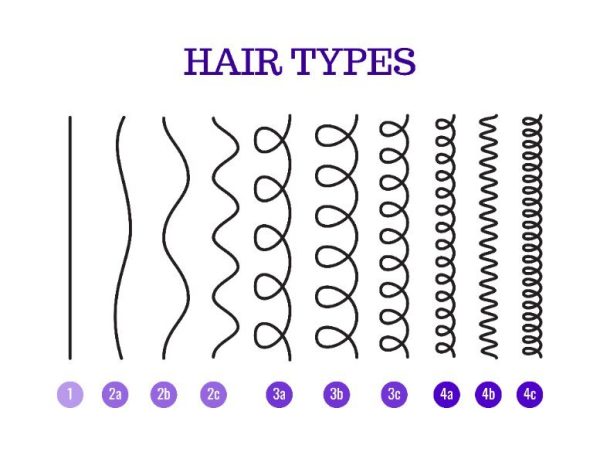
To find your texture, put a strand of your hair between your fingers and rub it between them. If you don’t feel your hair strand on the pads of your fingers, then you are classified as having fine hair. To find your pattern, you can look up a chart that shows the different patterns (1a,1b,1c,2a,2b, ect.)
Aside from hair products and treatment, there are other factors to consider. In fact, supporting hair starts within. Eating a balanced rich diet is essential, and crucial. Getting enough nutrients will increase your hair’s health. Including healthy hair, nutrients like biotin and prototyping proteins, can support your follicles, biotin is found in foods like beef, salmon, egg yolks, sunflower seeds and sweet potatoes. Biotin is also known as vitamin B 7, a skin health nutrient that helps support carbohydrates and metabolism.
Ultimately, hair health is a multi functioned concept that goes beyond just one thing. It requires a combination of mindful product selection, healthy hair habits and proper nutrients. By following these guidelines, one can achieve and maintain healthy, and beautiful hair.
Ready for a little pampering? The talented Nina(@ninacattienhair) over at The Beauty company is offering all my readers a free deep conditioning mask with their service. Just mention this article when you book your hair cut or service and it yours!