

Drama can be a major part of high school: friendships can fall apart, rumors spread quickly, and people can be hurtful. But how often are students actually “canceled,” and what does that mean in a high school setting?
To be canceled can mean being excluded from friend groups, becoming the subject of rumors or being judged for something said or done. While cancel culture exists within all age groups, it appears to be especially common among teenagers because of social media and peer pressure.
High school can be one of the biggest places where cancel culture occurs. With many different social groups and communities, conflicts can spread quickly and affect students both socially and emotionally.
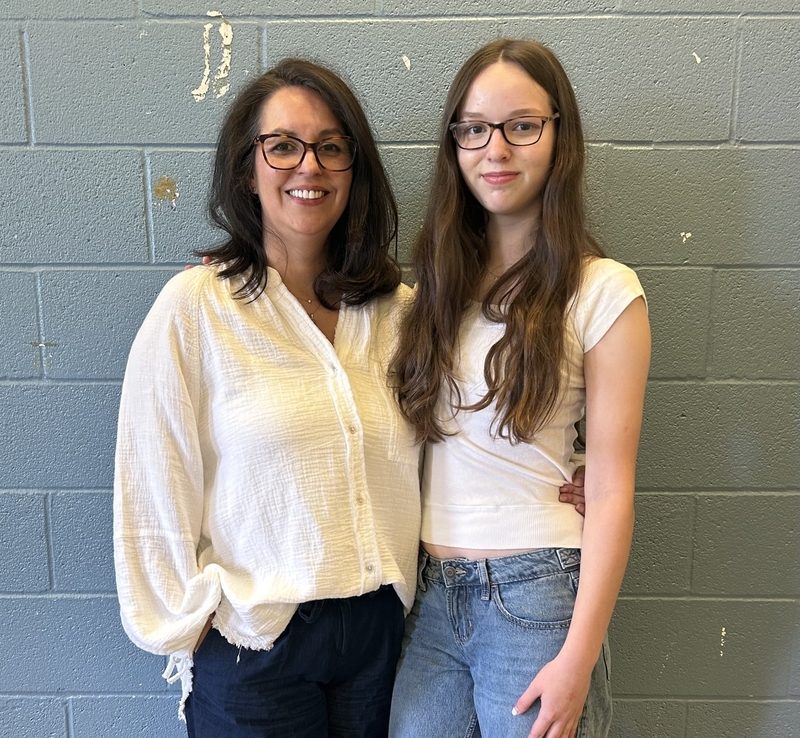
Linganore High School junior Isabella Engler “Because of a high stress situation over something so small, the problem could have been resolved so quickly and easily. However, nobody wanted to do that.”
Situations where students may feel excluded or canceled happen more often than people assume.
Kelly Schwartz, a counselor at Linganore High School (LHS), explains how she advises students to handle these situations.
“That happens a lot, unfortunately,” said Schwartz. “My typical advice is to go to your friends first.”
Schwartz recommends to go to a close friend in a compromising situation in order to feel supported and respected by someone in a hard time.
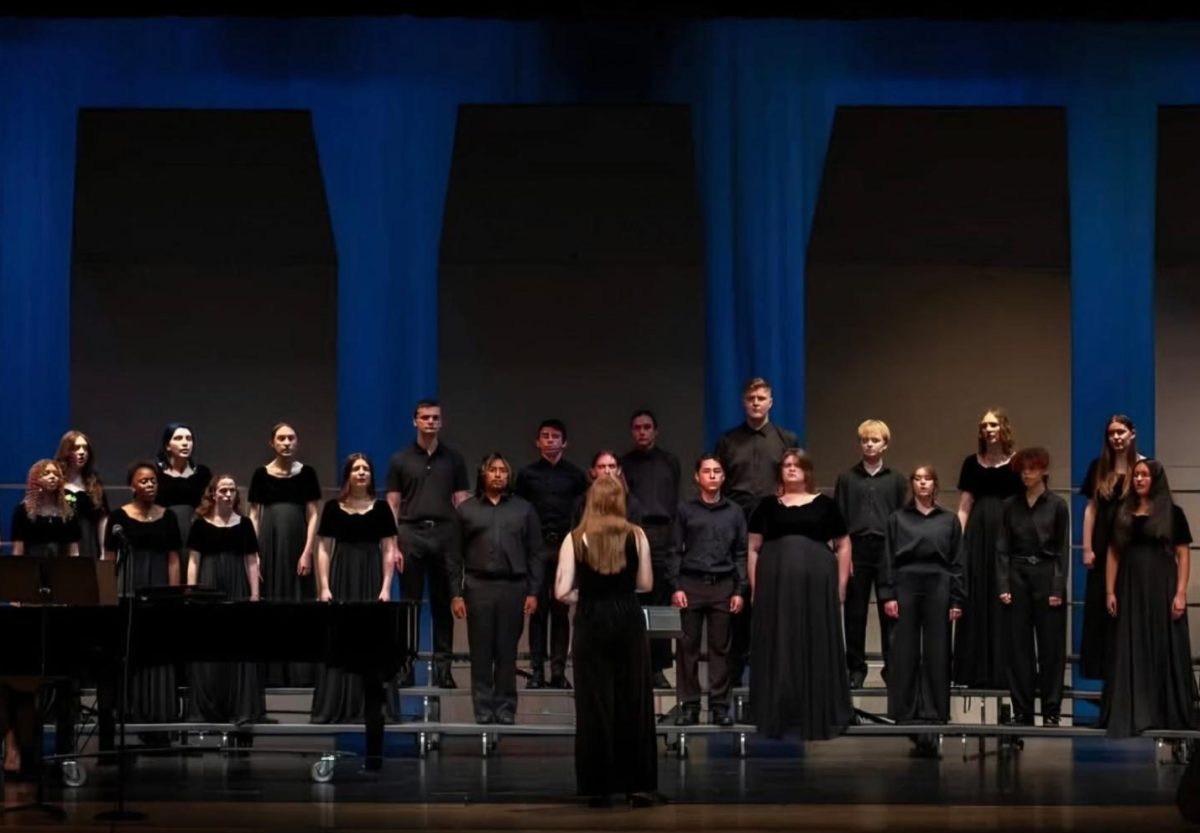
Linganore High School (LHS) is filled with friend groups and students with common interests. While these connections can create strong friendships, they can also make it easier for conflict and exclusion to occur when misunderstandings arise.
Instead of ruining strong friendships with silly fights, always try to fix it first before canceling your friend. Canceling can be an action that seems like it has an easy fix, but in the long run, it can have bigger consequences for the person being targeted.
Schwartz explains that some situations that may lead to cancellation are not always as serious as they appear.
“Sometimes friends are joking with each other, but it can go a little bit too far,” Schwartz said.
Although people may say things they do not fully mean, it is important to understand the intent behind their actions. When situations can be resolved through honest conversation, students should attempt to work things out before escalating the conflict further. Communication and understanding can often prevent unnecessary conflict and help create a healthier school environment.
When asked about if cancellation is more common through social media or in person Freshman Andrew Griffin responded “social media” the reason for that being “it is harder to get confronted about things in person.”
Confrontation during the cancellation process can be one of the hardest parts, especially if it’s one person. That’s why when someone is canceled, it is usually multiple people in a friend group getting the job done.
Social media is a place for people to spread a thought fast. It is easy to believe something online and even easier to believe an accusation about a person. If someone were to put a cancel worthy claim about a person into social media it would be most effective.
When asked which is a more effective form of cancellation Engler answered “both through social media and in person” her reasoning being “Within Social media it is a lot harder to prove your innocence, however it is hard to tell a person’s tone through a device.”
Grace Kelly, a freshman at LHS, noted that people often cannot support the claims they make regarding drama.
“Nine times out of 10 people can’t explain the things they say,” said Schwartz.
When people say things that come across negatively, it can sometimes be difficult for them to explain what they truly meant or intended to say.
“If it’s a close friend, sort of navigate the intent of the situation,” advised Schwartz.
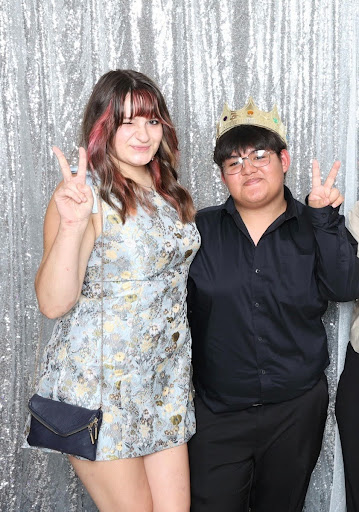
Finding friendships is a crucial part of high school. It is important to find community within schools even though drama, exclusion and misunderstandings are practically inevitable in high school. Friend groups can help one navigate negative situations.
Navigating misunderstandings can be the solution in some instances. Not everything is meant the way it may initially sound, and when it involves a close friend, people are often more willing to be understanding and forgiving.
It is important for students to recognize that everyone makes mistakes. One wrong decision or misunderstanding does not define a person. Instead of quickly judging or excluding somebody, students can take a step back, ask questions and try to understand the full story.
Schools can help by promoting kindness, open communication and respect or different perspectives.
There are healthier alternatives to canceling someone. While resolving conflict can be difficult for teenagers, it is still possible to navigate these situations through communication and understanding. Encouraging someone to explain themselves or speaking with a guidance counselor are both effective ways to resolve conflict and reduce the negative effects of cancel culture within schools.