Planning your next road trip? These 10 national parks are the best place to start

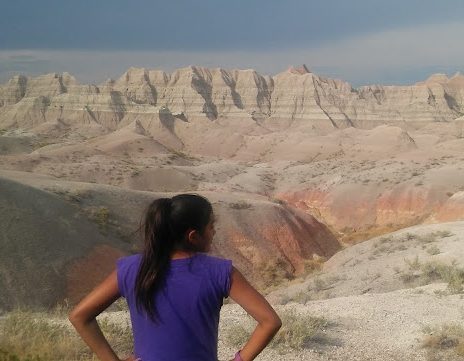
One would be tempted to walk for miles into Badlands National Park. Wildlife sightings and stunning views surround visitors in mostly untouched wilderness. The park offers a rich cultural history and sponsors many associated Native American tribes. This includes, but is not limited to, the Assiniboine and Sioux Tribes, the Blackfeet Tribe, the Ponca Tribe and the Standing Rock Sioux Tribe.
Driving the Badlands Loop Scenic Byway is a must. The scenic, 30-mile drive takes about an hour and is appropriate for all motor vehicles and passes through 12 scenic overlooks and various hiking trails. If you are staying for some time, explore the Notch Trail, which is around 1.5 miles with 127 feet of elevation gain. Traversing rocky terrain and ladder-climbing is required, but the trail shows fantastic views that make it worth the trek.
Check out Badlands National Park in the spring to avoid the summer crowds and provide milder temperatures.
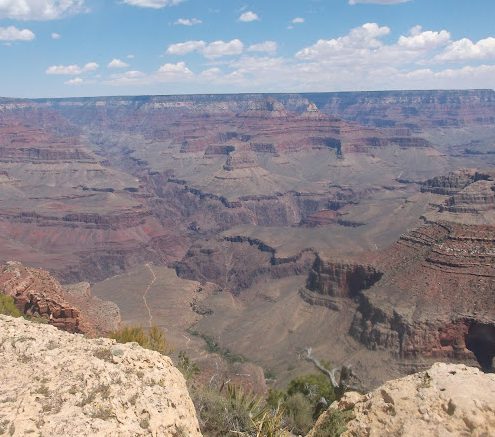
The iconic Grand Canyon National Park is perfect for the avid hiker. According to National Park Service Park Statistics, more than four million people a year explore the park, and it continues to awe visitors: not just from the sheer size, but the incredible mix of colors, wildlife and rock formations as well.The absolute best point to gaze down at the Colorado River is widely debated, but some of the more popular spots are Hermits Rest, Grandview Point and Lipan Point.
When venturing into the canyon, Bright Angel Trail from the South Rim is the most-maintained route. Including shade structures, emergency phones and taps for refilling water bottles, it is a beginning hiker’s dream. If looking for wildlife, more secluded parts of the South Rim Trail often feature elk, bighorn sheep and mule deer. Unfenced bison herds roam behind the North Rim of the park.
Try to avoid crowds and the dry heat when visiting Grand Canyon National Park. Winter (excluding the holidays) is the best time for less crowds and better deals on lodging and activities.
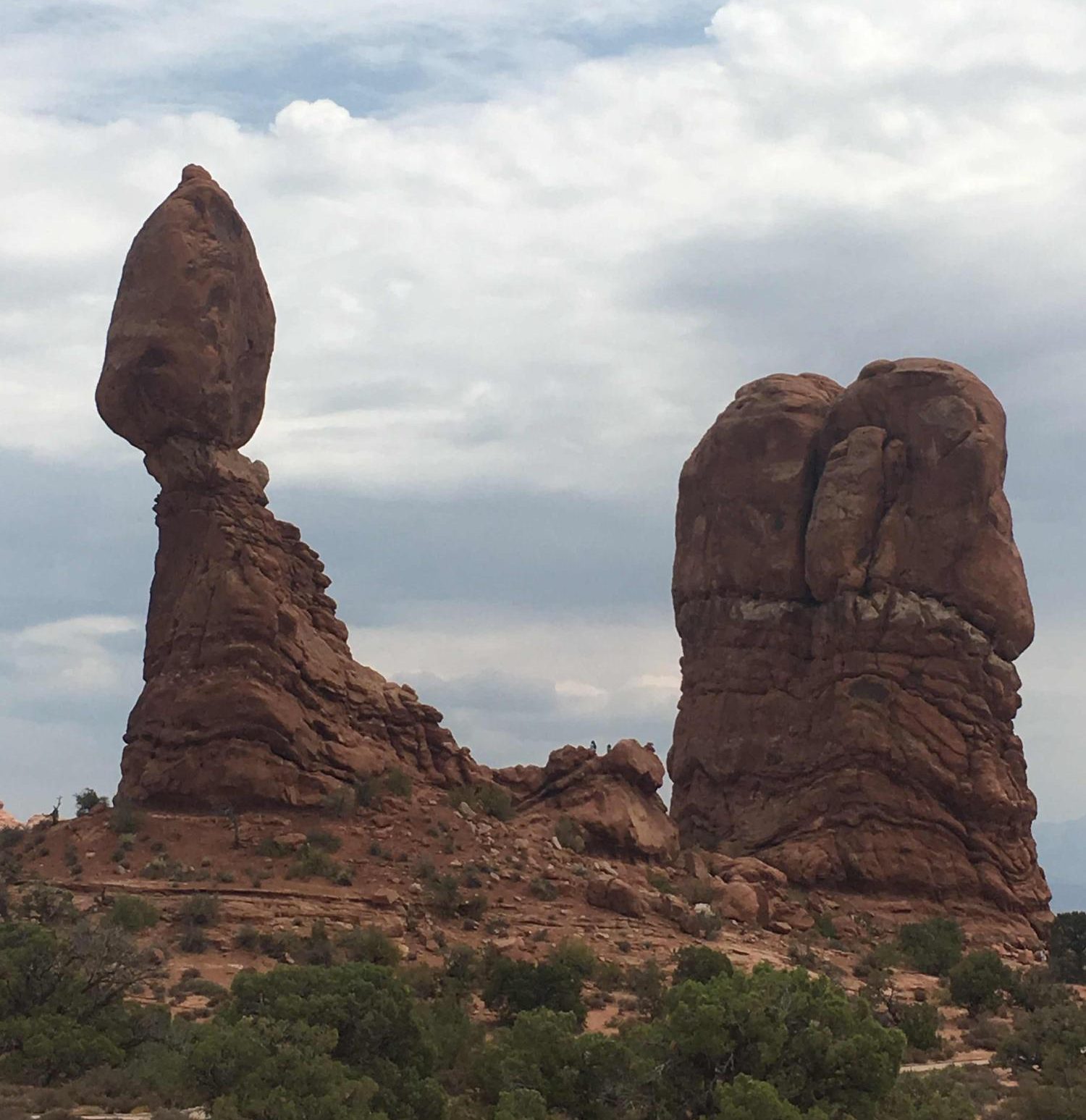
Not only does Arches National Park have the highest concentration of arches in the world, but it also hosts geological formations of pinnacles, spires, fins and balanced rocks. In the winter, water from melted snow pools and gathers, freezing and breaking off chunks of rock, where recesses develop. Rain and water erodes layers of sandstone, turning rock layers into fins, then fins into arches. Uniquely, the park also hosts rich history of Indigenous Tribes. Figures and symbols carved and painted on rock faces are historic communications, even on the edge of comprehension.
Delicate Arch is one of the most recognizable symbols of Utah and attractions in the park. Yet, it is a surprisingly strenuous 3.2 mile hike back near Moab, Utah. Nearby is also Mesa Verde National Park, where the Ancestral Pueblo people built homes and communities on the Mesas and cliffs of Mesa Verde.
The ideal time to visit Arches National Park is March through April and September through October. With avoiding the crowd and traffic, evening hours offer some of the most beautiful sunsets with moderate temperatures.
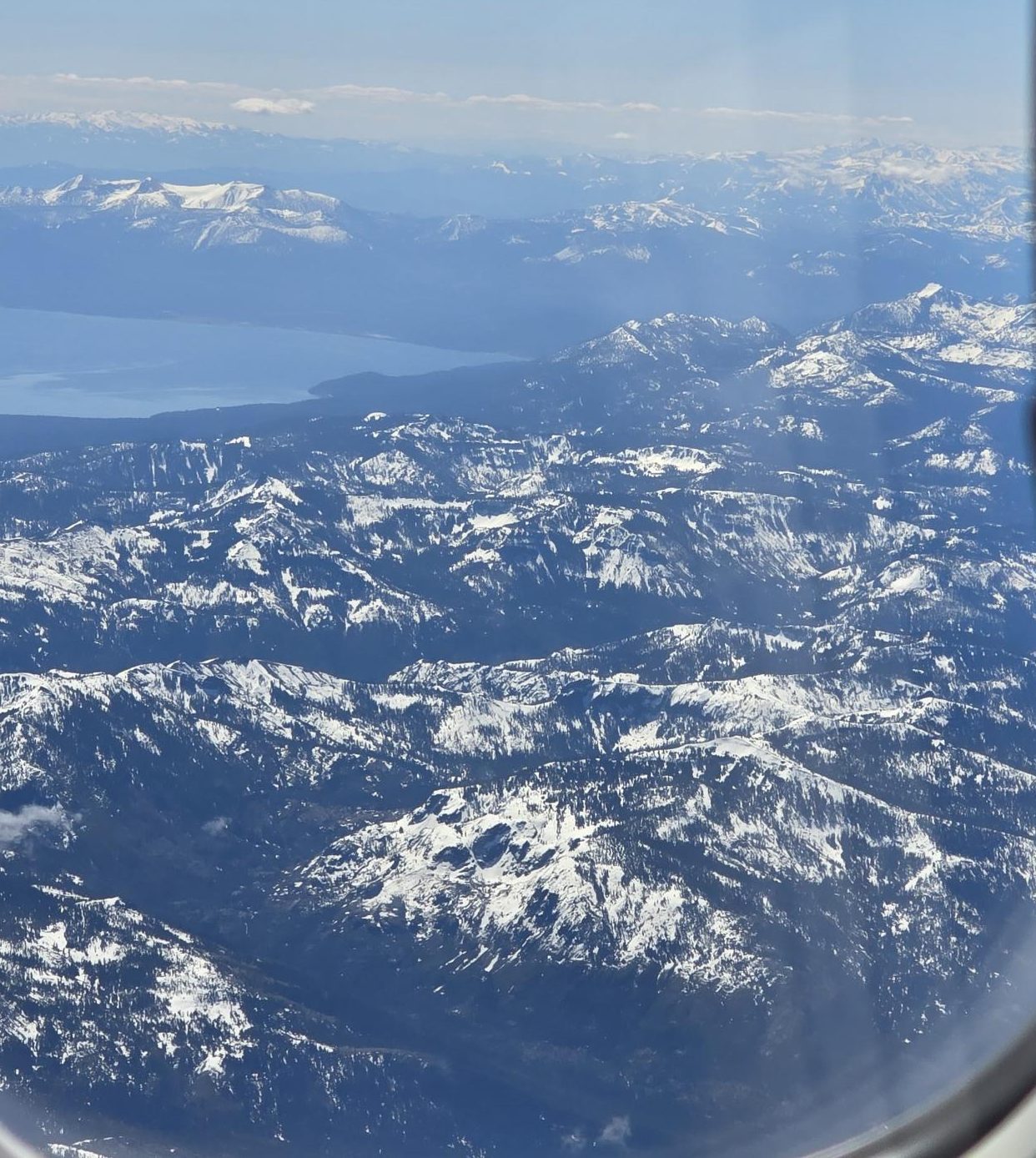
With a diverse ecosystem and ample natural wildlife, Rocky Mountain National Park has one of the most mesmerizing drives through Trail Ridge Road. Rocky Mountain National Park is an essential national park to visit; over 60 mountains peak at over 12,000 feet high and the park contains over 100 lakes and 350 miles of hiking trails The mountains are also an important habitat for dozens of species, like bighorn sheep, pronghorn and Steller’s jay birds.
Despite crowds and traffic, it is easy to find empty trails away from the swarm of people. Lumpy Ridge in Estes Park is an unpopular, hidden gem, as it is inaccessible from the main road. Popular among rock climbers, the trail is formed of granite crystalized from molten magma.
Emerald Lake Trail is a moderately difficult route, taking just under 2 hours to hike with 771 feet of elevation gain. The spot is great for fishing and hiking and the scenery is worth the effort. Try to snag a timed permit around late summer and early fall.
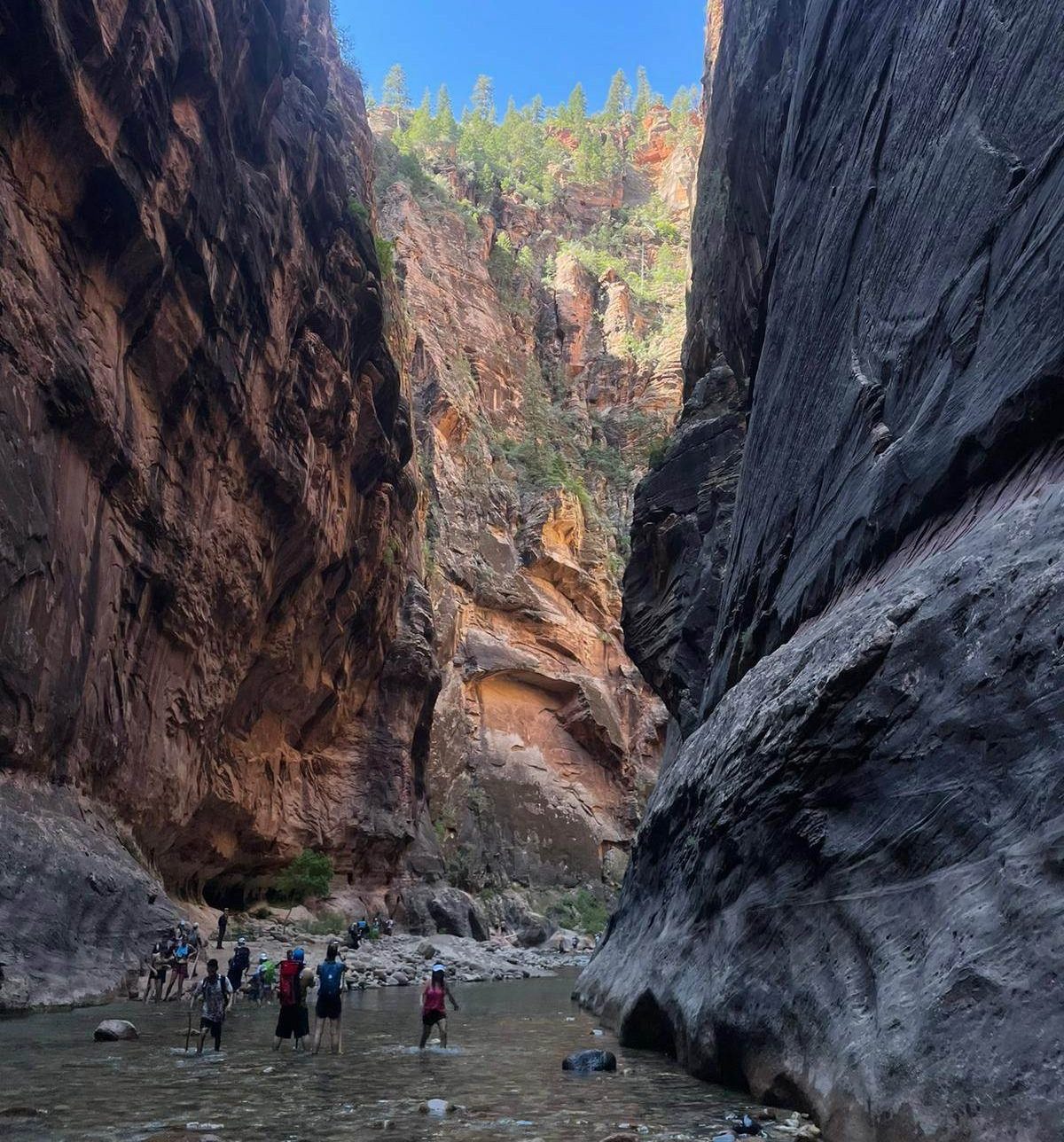
The breathtaking Zion National Park hosts dramatic sandstone cliffs, all levels of trails, hikes and climbing opportunities. The Virgin River, running through Zion Canyon, supports numerous species of fish that are native to Utah. The river’s wetlands support cattails and willows, and the surrounding areas support large cottonwood trees.
Make sure to apply for a permit before hiking Angel’s Landing. As one of the popular destinations in Zion National Park, permits are essential to keeping hiking paths safe and stark. On the 5.4 mile round-trip hike, around 1,488 feet of elevation will be gained. This considered, it is a strenuous hike, due to the steep elevation gain and narrow sections to cross.
The Narrows are fittingly the narrowest section of Zion Canyon. The walls are over a thousand feet tall, while the river stretches to only 20 feet wide. Upstream of the main canyon, the hike mostly consists of trekking through the Virgin River. Check water levels daily to ensure the avoidance of flash floods. Try to visit in the summer and early fall while the water is warmest and the level is dropped.
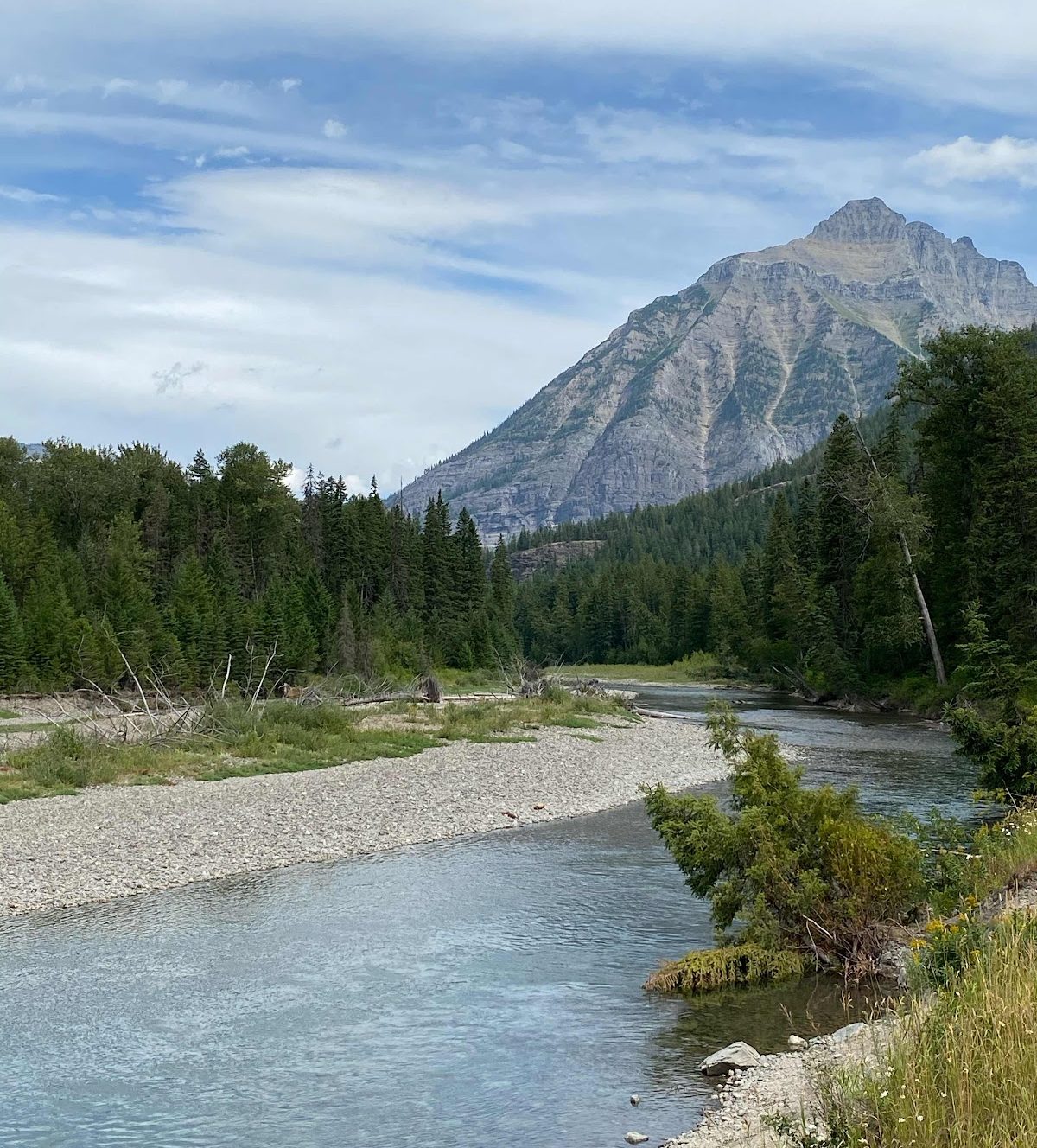
Glacier National Park is a paradise for adventure. With a rich history of Native American ties to the park, every summer, members of the Blackfeet Nation, Confederated Salish and Kootenai Tribes share personal knowledge of their history and culture as part of the Native America Speaks program.
Going-to-the-Sun road was one of the first roadways made to accommodate an automobile in a national park. Although closed to vehicles currently, it opens around mid-June and closes mid-October. The Road spans 50 miles and crosses the Continental Divide at Logan Pass, as the road traverses the width of Glacier National Park.
Lake McDonald is over 10 miles long and is an essential visit at Glacier. Snow-tipped mountains surrounding crystal clear water and rainbow-colored stones makes for a breathtaking sunset view, perfect stargazing and an overall immaculate view. Optimal weather for visiting is between late June and mid-September.
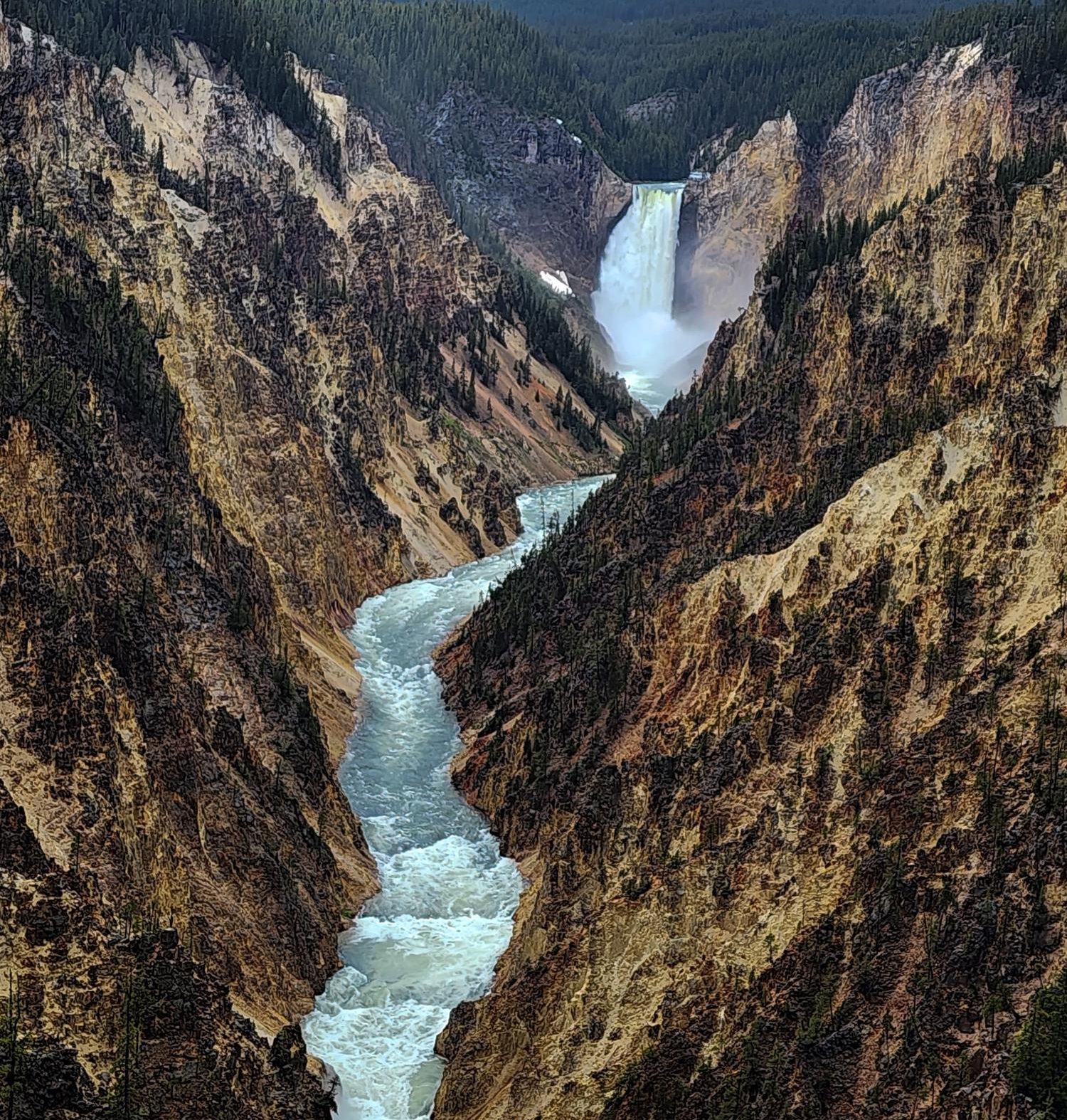
As the first national park, Yellowstone National Park never disappoints. Truly a classic, the park is home to more geysers and hotsprings than any other place on earth. The park is renowned for its diversity of wildlife, including the recovery of wolves in 1995. While there, expect to see bison, white-tailed deer and elk and be on the lookout for grizzly bears, black bears, moose, pronghorn, bighorn sheep, lynx, coyotes, mountain goats and foxes.
Old Faithful, a large geyser with predictable and frequent eruptions, occurring around every 35 to 120 minutes, might be the star of the show, but dozens of other gems live in Yellowstone National Park. For the best chance of spotting wildlife, visit the Lamar Valley. Some of the largest herds of bison and elk in North America are found in the grasslands of Yellowstone. The seven mile stretch of river in the Lamar Valley is best for fly fishing as well.
One standout view is referred to as Artist Point. Accessible by car ride or hike, the name comes from artist Thomas Moran, who famously painted the sight. The name was given to the spot by a photographer who incorrectly identified the location of the painting. The spot actually painted was later called Moran Point, but the original name stuck.
Summer is peak tourist season in Yellowstone, so try to visit in shoulder seasons. Late April, May, September and Early October are great times to visit while the weather is still moderate. Wildlife will most likely be seen at dawn or dusk.
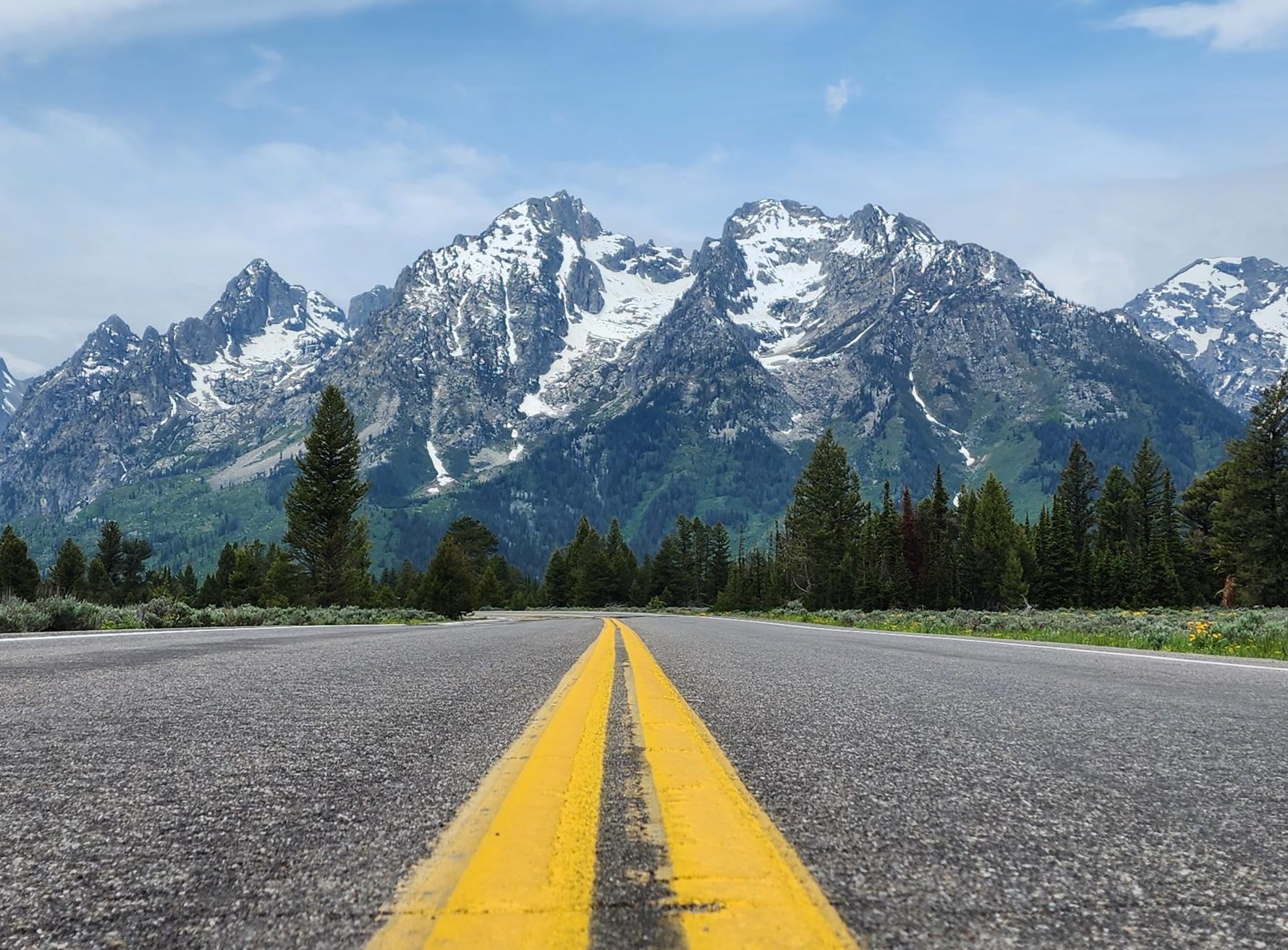
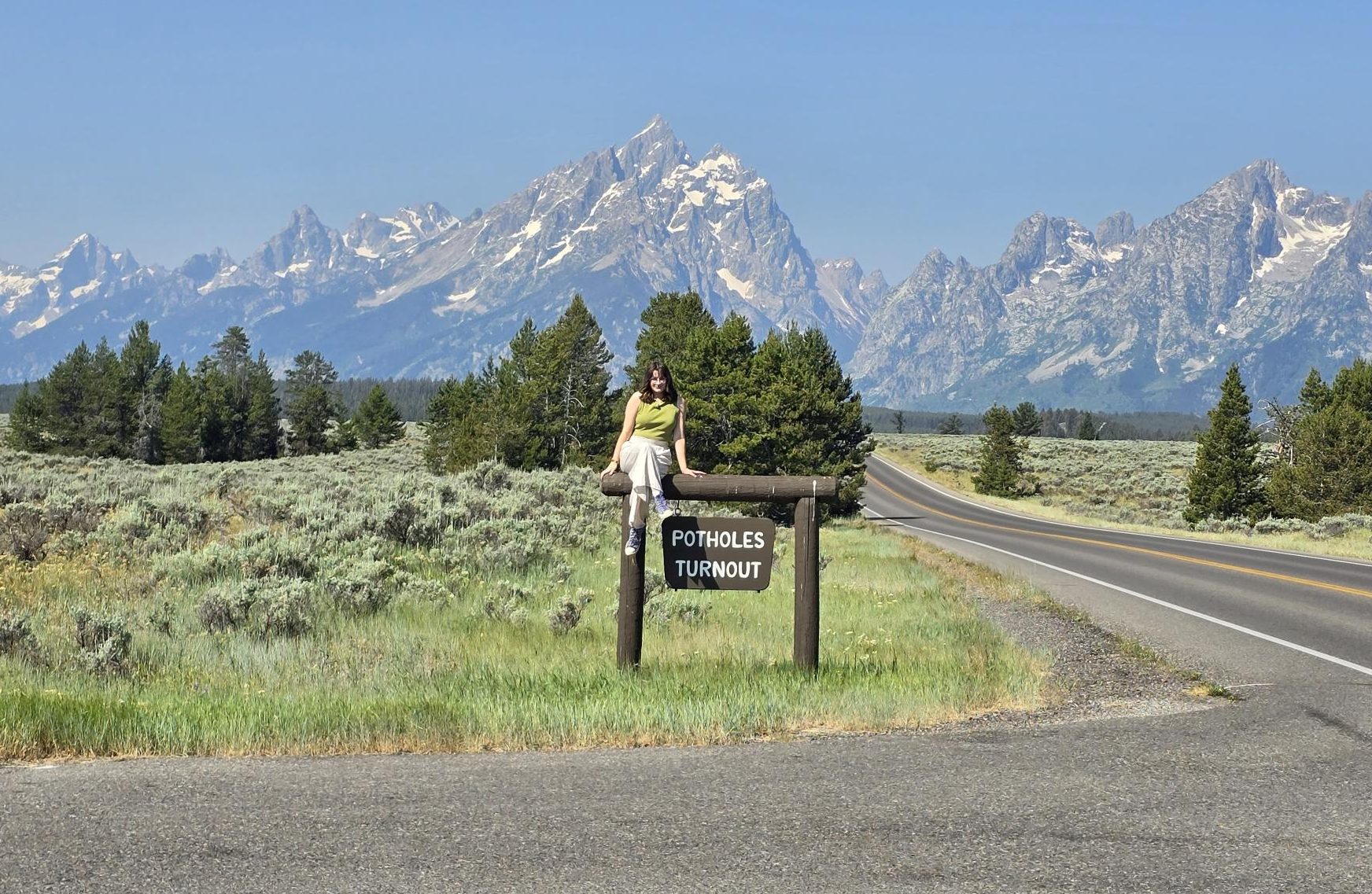
Located just north of Jackson, Wyoming, Grand Teton National Park provides a different experience for all types of visitors. Scenic drives and abundant opportunities for wildlife viewing offers a convenient national park experience that is suited to sightseeing from the car, while the park also retains hikes and trails for all skill levels of hikers, with mirror lakes that offer stunning views of the mountain ranges.
However, stunning does not even begin to describe the sights in Grand Teton National Park. It cannot be stressed enough how breathtaking the mountain ranges and wildlife are. The clear water of Jenny Lake makes the park particularly captivating, and is a great base to start at when exploring the park. The location provides easy and quick access to many hiking routes, such as the Hidden Falls Trail (which leads to Inspiration Point,) Cascade Canyon Trail and the Moose Ponds hike.
Jackson Lake is surrounded by views of the Teton Mountain Range, making it the perfect spot for paddleboarding, fishing or photography. The lakes are always available to swim in, but hypothermia is a huge risk, especially with extended swims.
Although May through September are the most popular visiting months, a wider range of roads, facilities and programs are open due to the influx of tourists. The best time to visit is early fall, while the weather is still warm and the flowers are in bloom.
- Arches National Park
- Badlands National Park
- Glacier National Park
- Grand Canyon National Park
- Grand Teton National Park
- Great Sand Dunes National Park and Preserve
- Mount Rainier National Park
- National Parks
- Olympic National Park
- Road Trip
- Rocky Mountain National Park
- traveling
- U.S. National Park Service
- vacations
- Yellowstone National Park
- Yosemite National Park
- Zion National Park
Your donation will support the student journalists of Linganore High School. Your contribution will allow us to purchase camera/recording equipment and software. We hope to raise enough money to re-start a monthly printed issue of our paper.