

On October 1, at exactly midnight, the government entered its fourth major government shutdown. Congress had failed to reach a funding agreement, leading to 1.4 million federal employees being put on unpaid leave or to work without pay.
A government shutdown in the United States occurs when the two major political parties, Republicans and Democrats, fail to agree on a budget for government services prior to the end of the fiscal year September 30. The legislative branch which is congress, passes the budget onto the President, who then sign it into law in this case, the legislative branch has failed to compromise with the funding bill they had causing the shutdown.
The budget process has a meeting that covers the budget and three main spending areas which include mandatory spending, spending for things such as Medicare, Social Security and other areas required by law, discretionary spending and interest on the debt, which are all included in the budget.
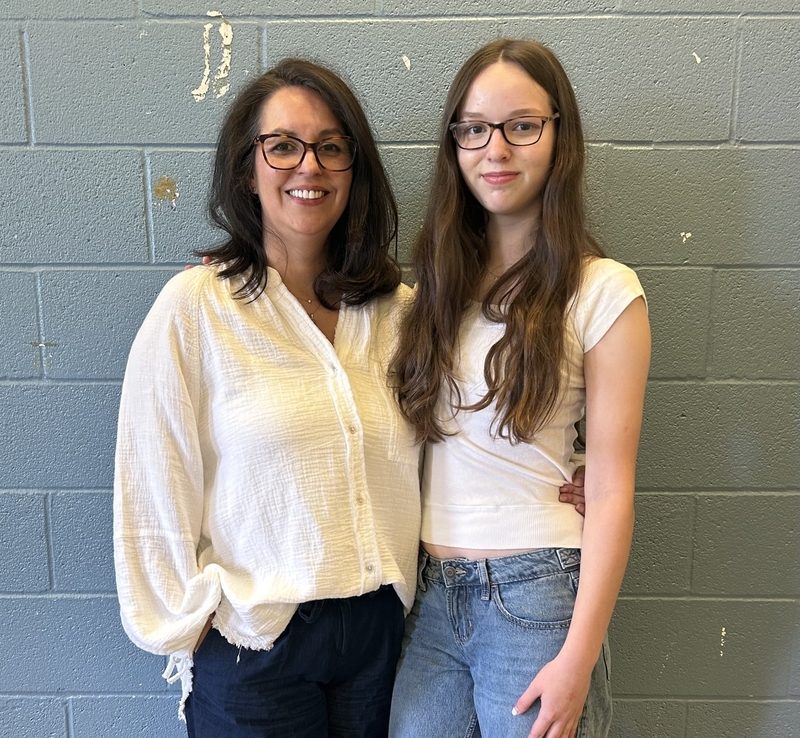
“The Democrats want some concessions on health insurance.” Said Linganore High School (LHS) AP Government teacher, Jamie Hendi. “They say that premiums are about to skyrocket, and there’s a lot of issues with access to health insurance.”
In addition to what Hendi said, “The Democrats believe that a level of healthcare is about to run out, especially for people who are poor, and they refuse to sign a funding initiative for the government until health care benefits are there,” said LHS Social Studies teacher Darren Hornbeck.
The Democrats are pushing against the Republicans, specifically in regard of their plan for Medicare. The Republicans wish to cut back on funding for health insurances. While Democrats desire to keep health insurance available for more people.
When the parties are in disagreements, the government relies on CR’s – Continuing Resolutions – to act as a band-aid. A CR allows the government to continue spending in mandatory spending areas, based on the funding agreements from the previous fiscal year, until a new funding agreement is signed. When running off of a CR, only federal employees were getting paid.
“Nobody- literally nobody gets paid right now. Weather you are considered an essential worker and have to go in because you’re essential to the government continuing to function, both go without pay.” Said an anonymous federal employee affected by the shutdown. Tipping at the fact all employees miss payment on October 24.
As of October 25, 24 days into the shutdown, about 1.4 million federal employees have gone without pay, it being the first time since the shutdown employees do not receive their paycheck. According to the Bipartisan policy center, around 670,000 federal employees are furloughed, meaning they are not going into work, and around 730,000 essential workers are working without pay. Once the shutdown is concluded, all furloughed employees should receive their wages for the time during the shutdown. But, in this case, furloughed workers are no longer guaranteed.
The Government Employee Fair Treatment Act of 2019 (GEFTA) guarantees that federal employees receive pay once the shutdown concludes. For the furloughed workers though, this guarantee is not promised. The federal news network states that when a new funding bill is put into effect, it must exclusively bring up payment for furloughed employees or they will not get paid. An Office of Management and Budget (OMB) memo is a directive issued by the United States OMB with guidance on certain policies and managing priorities. The wording in the GEFTA ensures only employees actively working during a shutdown are entitled to retroactive pay and the OMB memo argues furlough workers cannot obtain retroactive payment, and the government has concluded that these employees may not be paid for their time out of work due to the shutdown.
Few, if any, shutdowns expected to last this long. Many anticipated it would last only a few days long. The longest shutdown prior to this one was in 2015 for 35 days. While Congress is working towards a new funding agreement, there appears to be no end in sight. Until the two sides come to an agreement, the shutdown will persist.