
The Saturday after Thanksgiving is called Small Business Saturday. This day is intended to raise more awareness for smaller businesses in people’s hometowns, following Black Friday, which tends to fuel large retailers.
Small businesses need support this year more than ever because of the impact the increase in tariffs is having on their bottom line. This increase has had a devastating impact on thousands of businesses throughout the nation and is often passed down to the consumers who have to pay extra for the products.
Almost immediately after Donald Trump started his second term as president of the United States, he has raised tariffs on multiple different items. Some of these items include lumber and furniture. Many people during the cold months use fireplaces, and the tariffs on lumber may affect if someone buys it. This has caused many small businesses to struggle.
A tariff is a tax placed on imported goods by the country accepting the imports. The company or business that imported said goods then has to pay back the tariff cost.
In the Inc. v. Trump court case the court considered if Trump, as president, should be able to impose sweeping tariffs on nearly every imported good in the U.S.
According to a BBC article Trump believes that increasing tariffs will boost American manufacturing and create more jobs.
However this could ruin the global economy.
According to the BBC, the US Supreme Court has questioned if the number of tariffs or the tariffs themselves are even constitutional. In August, it was ruled by a U.S. appeals court that most of the tariffs were in fact illegal; yet, Congress still kept them in place.
Despite the contentious debate over the validity of these tariffs, the result is the same: everyone is affected by these tariffs, big and small businesses alike.
Small businesses are affected in many ways, sometimes even more than the consumers who buy their products. For example, businesses must pay their own tariffs in addition to higher-priced products from other companies affected.
Blossoms and Basket Boutique is a small business owned by Ellie Golde. It is located on 3 N Main St, Mt Airy, MD 21771 and is highly affected by tariffs.
“When I buy the items from the wholesaler, they have increased their prices,” Golde, the owner of said. “They are the ones paying the tariff; I’m not. So, they are charging me more.”
According to The Budget Lab at Yale, businesses that sell leather products, apparel and shoes are disproportionately affected by the tariffs. Leather products have risen 40% in price, and shoes and apparel have risen to 38% after the initial tariffs.
According to the Tax Foundation, as of November 17, the weighted average applied tariff rate on all imported goods has risen to 17.6%. The average effective tariff rate has risen to 12.5%, making this the highest average rate in history since 1941.
According to the NPR, the average tax on imported goods today is nearly 18%. This is up from 2.4% before Trump returned to the White House.
The impact of the tarrifs can also be seen in small businesses’ inventory.
Another business in mount airy that is suffering from the tariffs is, The Last Word bookstore. The owner Erin Matthews feels very strongly about tariffs. Before the raising of tariffs the bookstore would order many different products from other countries.
“We have actually made changes to our stock as a result, which I think has damaged the quality of our stock, because it means that we have certain artists that we worked with for years, who are in the UK or in Europe, who we can’t stock their goods anymore,” Matthews said. “We would have had to double or more the price of the item to cover the tariffs. So, as an estimate, I would say most of the items that we are looking at would be tariff and the cost would go up between 50% and 80%.”
Suppliers in foreign countries are also losing business because owners do not want to pay the tariffs that come with buying from a different country.
Small businesses are usually not talked about nearly as much as their larger counterparts. The businesses are often overlooked.
According to Unsdg, small businesses are far more than supporting actors when it comes to the economy. They represent 90% of all businesses and create up to 70% of all jobs.
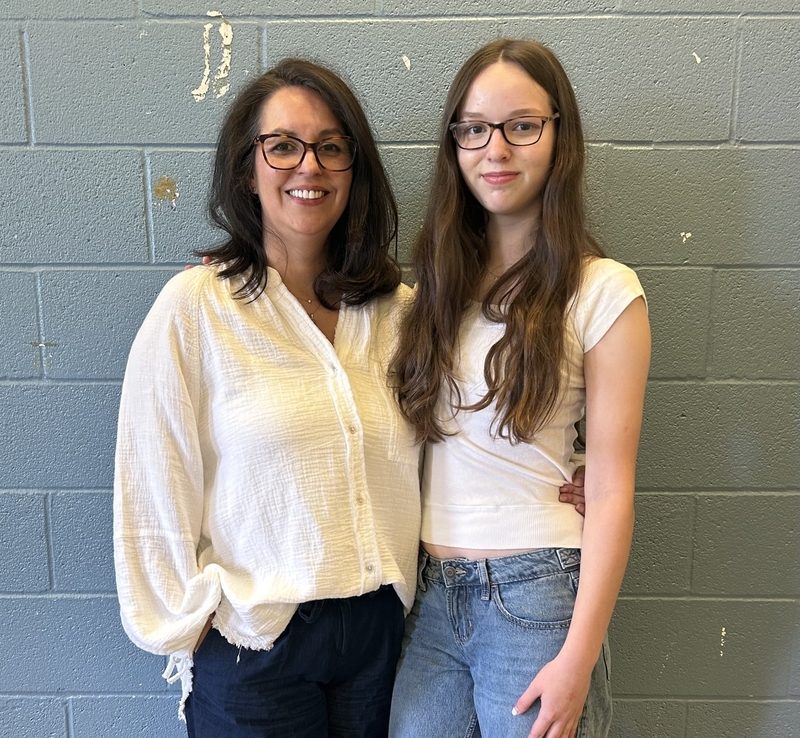
“I think we hear more of the tariffs hurting the larger businesses, and then that we also have to realize that they do affect the small businesses, but we don’t hear about that so much because they’re much smaller in nature,” Linganore High School (LHS) business teacher, Lisa Shockey said.
Support local small businesses.