
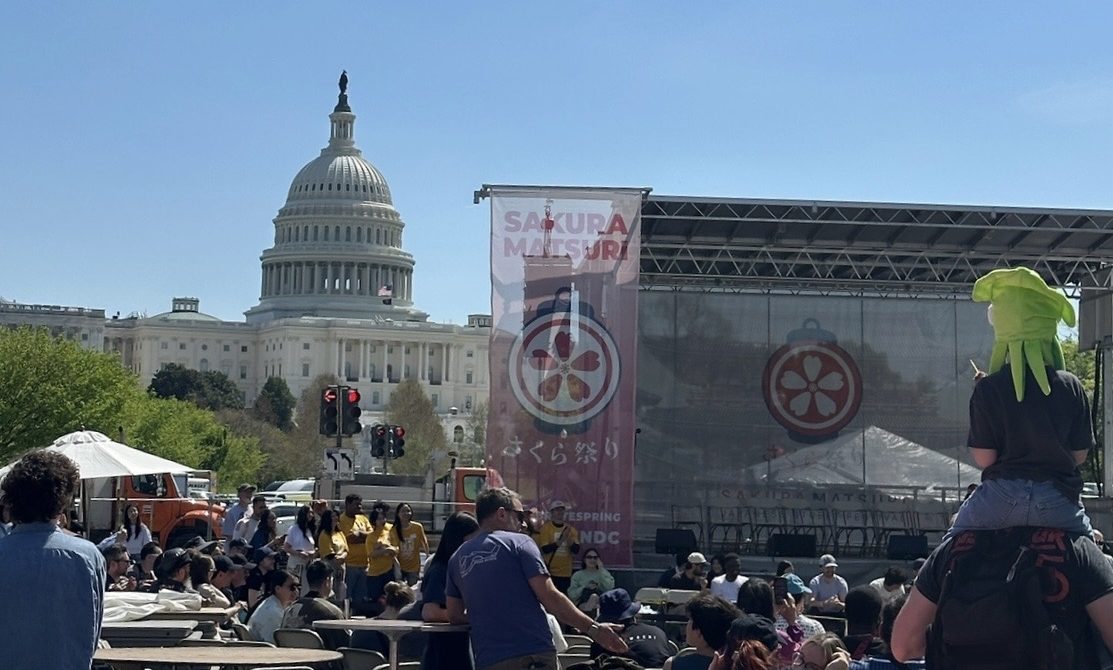
Sakura Matsuri is a Japanese street festival that stretches over two days. It serves as a finale to the National Cherry Blossom Festival in Washington DC and celebrates Japanese culture.
This year, the festival took place on April 11-12, from 10:30 a.m to 6:00 p.m. the first day and ending at 4:00 p.m. the following day.
However, most who attend will typically leave the festival early or show up late. Sophomore Izzy Tomaszewski, who has been going to the festival with her family for the last five years, shared why this happens.
“My family always leaves [the festival] a little early,” Tomaszewski said. “After four or five hours … everyone is ready to go home”
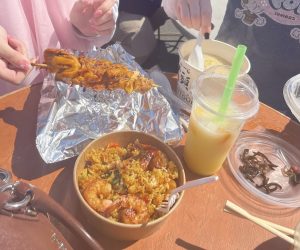
Throughout the weekend, there were a number of activities to participate in. There were many performances, including traditional Japanese music and dance, martial arts demonstrations, culinary tutorials and more. Additionally, there were also a number of stations set up with merchandise, food and short activities.
Ticket prices for the event remained the same as they had been in previous years: $20.00 for a single day and $30.00 for both days, with ages 10 and below not needing a pass.
Sophomore Piper Lewin shared that she would like the price to come down slightly but understands one possible reason behind the price.
“If the tickets didn’t cost that, then the street would be overpacked,” Lewin said. “I do feel like the tickets are a little bit more on the expensive side … but reasonable for what you’re getting.”
Sakura Matsuri is not shy when it comes to selling goods, with many stands having plenty of items for sale. These include Japanese jewelry, clothing, stationary and anime-related merchandise like figures or blind boxes.
For many, the idea of spending too much on these items throughout the festival can be a deal breaker. However, senior Brianna Dacanay shared that the food is actually the real money-waster.
“I think usually most of the items are [priced] okay; it’s the food that’s very overpriced,” Dacanay said. “I think it’s because it’s more of an Asian delicacy … so high value, high cost.”
At the festival, there were also plenty of food and drink options. Some of these included bento, yakitori, ramen and okonomiyaki. This does not even begin to scratch the surface, however, with thirty-six vendors being listed on the Sakura Matsuri website, each with a variety of food.
The festival’s goal is primarily to uplift Japanese and Asian culture, but some have worried that some displays or actions by many at the festival in both DC and Japan may be seen as disrespectful. Lewin said that she does not agree but does believe that the festival can lean towards an Americanized version of Japanese culture at times.
“It’s not necessarily disrespectful … but [Americans] usually skip over the important parts of the culture,” Lewin said. “[The festival is] kind of a blend of the culture and what Americans think Japanese culture is.”
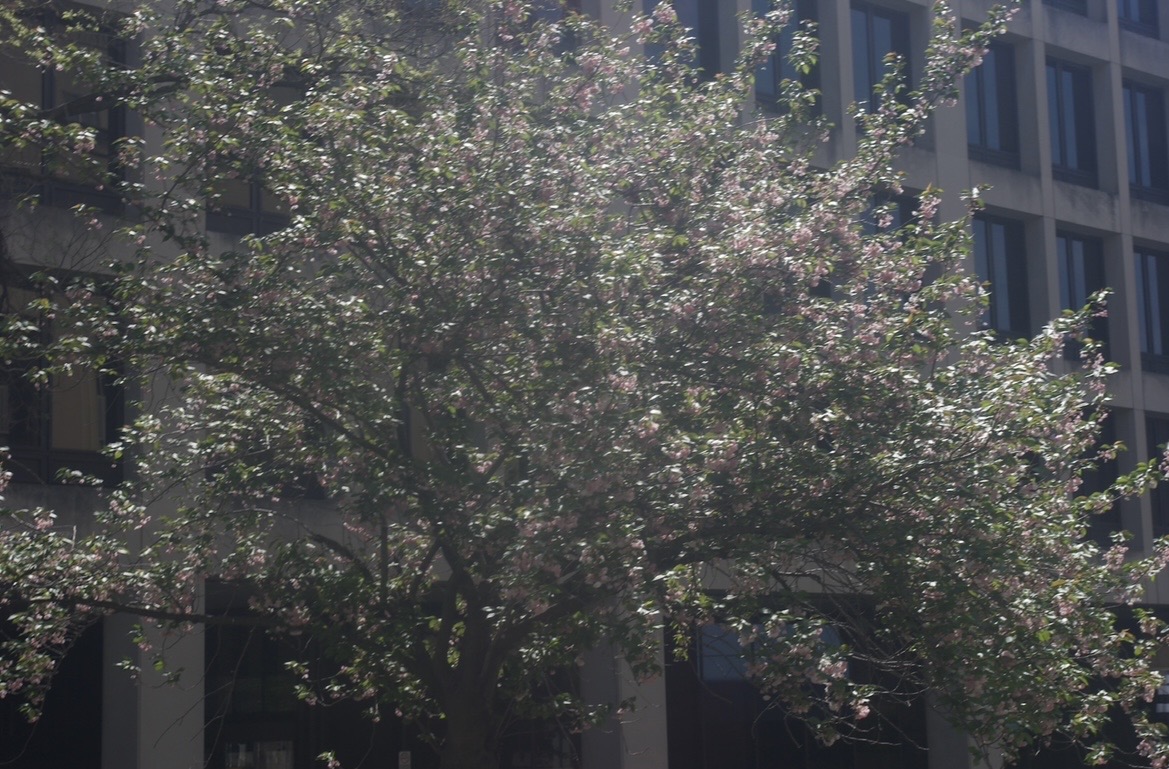
Of course, the festival would not be complete without the beautiful trees that surround the event. They are a highlight for many who travel to the capital to attend, and this gift from Japan is the reason the festival began in the first place.
“I make sure to take photos every year,” Tomaszewski said. “Everything is so pretty … it’s my favorite part of going [to the festival].”
The Sakura Matsuri festival’s efforts to spread Japanese culture and provide a fun environment to do, the same organization also works with schools to spread this same awareness within students.
All updates on Sakura Matsuri 2027 can be found on their website, or visit their donation page to support the organization now.