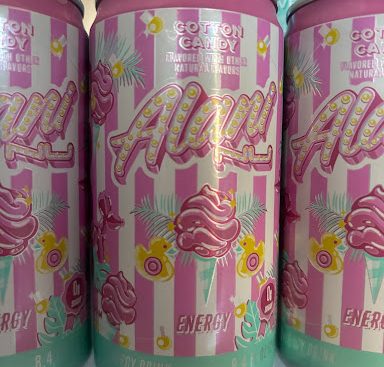


Linganore High School junior Jillian Reid starts her lunch the same way, every day.
“At the start of [third] period, I usually drink a V8 peach mango energy drink,” Reid said. “It tastes like mango … and I love the flavor of mango.”
She is not the only student with this daily habit. When feeling drowsy or sluggish, it is common for any teen to reach for an energy drink for a quick burst of energy.
Certified Pediatric Nurse Practitioner Alexandra Price knows this as an unsustainable practice. While not officially considered a substance use disorder, Price recognizes caffeine overconsumption as a clinical condition.
“Caffeine use disorder is a pattern of continued [consumption of energy drinks,] despite physical or psychological harm and unsuccessful efforts to cut down,” Price said. “Withdrawal symptoms like headache, fatigue, irritability and the need to avoid these symptoms drive continued use … chronic use is associated with increased risk of adverse cardiovascular outcomes, sleep disturbances, migraines and behavioral issues.”
According to The American Heart Association, around 30% of teenagers comsume energy drinks on a regular basis. These individuals are at greater risk for both short and long-term effects from energy drink overconsumption compared to adults. Due to a lower body weight, lack of history with caffeine consumption (meaning adolescents are more sensitive to the effects of caffeine) and developing organ systems, children and adolescents experience more pronounced effects.
Some symptoms include higher rates of intoxication, neuropsychiatric events and sleep pattern disruption. Case reports and epidemiologic studies consistently show more frequent and severe adverse reactions in youth, such as sleep disturbances, migraines and behavioral issues.
Long-term health risks of daily energy drink consumption include cardiovascular events, such as hypertension and arrhythmias, neuropsychiatric effects like anxiety and insomnia, and potential for addiction. This is a more present issue for those with underlying health conditions, as it may interfere with medications being taken.
These drinks may promise an immediate boost, but the long-term effects outweigh the temporary high students get. As these drinks trend with youth and become ingrained in modern culture, the need to inform users of the risks and provide alternatives is apparent.
Jamie Hendi, a Government and Law & Society teacher at Linganore, notices the effect the “harmless” drinks have on the students in her classroom.
“I see kids that drink [energy drinks] multiple times within a short period of time,” Hendi said. “Their energy spikes up, and then they crash.”
Due to the excessive intake of caffeine, students who frequently consume energy drinks have a disrupted and irregular sleep schedule. After the initial high and mood improvement wears off, students are left with daytime fatigue, defective sleep quality and next-day exhaustion.
In order to maintain sales, marketing teams for energy drinks directly target youth. Companies do this by partnering with sports that interest teenagers like skateboarding and basketball.
Another way these drinks are marketed to younger people is through the creation of fruity and unique flavors. For example, the entire marketing of Ghost Energy Drinks is based off of nostalgic candies, like Warheads and Sour Patch Kids. Unlike coffee or tea, the traditional caffeinated beverages of prior generations, there is no bitter taste to repel youth or prevent overconsumption.
Reid agrees that the flashy marketing draws her in, but ultimately, it is the appealing mango taste that keeps her drinking them.
“I don’t like the taste of coffee, so I need caffeine in a different way,” Reid said. “School is so draining, and it takes out a lot of my energy.”
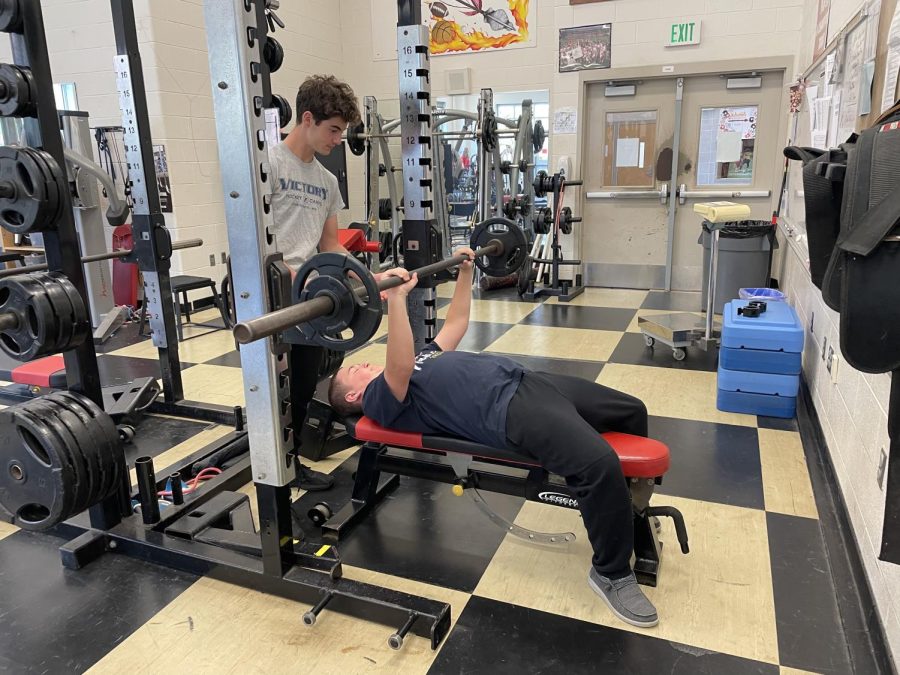
For student athletes, an energy drink may seem like the perfect solution to stay energuzed through long games or taxing practices. The caffeine and sugar may provide a temporary boost in energy, but the drinks actually leave the body and mind more fatigued over time, potentially increasing the risk of overexertion or injury.
During high-intensity exercise, energy drinks tend to dehydrate those who drink them. The caffeine in these products impedes the kidneys’ ability to retain fluids in the body, leading to the loss of higher amounts of water through urination.
Any performance-enhancing benefit provided from energy drinks comes entirely from caffeine. Healthier alternatives like full night’s sleep and the recommended daily intake of water (64oz) similarly boost performance and keep energy levels sustained throughout the day. Drinks like unsweetened tea and matcha are less-concentrated, natural sources of caffeine without excess sugar.
For athletes, drinks that are high in electrolytes, energy gels and smoothies are a good source of quick energy before a game or practice. Additionally, foods high in protein and fruits are good post-recovery meals for effective recovery and muscle repair.
Caffeine itself is not inherently harmful. When used in less-concentrated forms and in small amounts, caffeine can improve mood, focus and boost metabolism. The excessive consumption of energy drinks, however, turns a useful stimulant into a serious health risk for the youth.