

Climate change has been a topic of interest among environmental scientists and the everyday person since first reports of increasing temperature in 1896. The average temperature of the Earth’s surface is now between 1.34°C and 1.41°C warmer than it was in the late 1800s The Environmental Protection Agency (EPA) highlights clear indicators of climate change, such as increased seasonal temperatures and extreme weather patterns. Climate change is the long-term shift in Earth’s average temperatures and weather patterns, primarily caused by human activities like burning fossil fuels. The creation of greenhouse gasses traps heat in the atmosphere.
The average temperature of the Earth’s surface is now between 1.34°C and 1.41°C warmer than it was in the late 1800s (“Climate change indicators: seasonal temperatures”), while summer and fall temperatures have increased by about 1.6°F. However, despite the scientific evidence provided over many years, some people still blame the “sudden” changes in temperature on cosmic phenomena such as sun spots or solar flares.
The major issue that supports the disbelief towards climate change is the lack of importance many people feel towards the issue. According to research by Pew Research Center, “A significant number of Americans express a lack of urgency regarding climate change, with many believing that it does not affect their daily lives” (“Why Some Americans Do Not See Urgency on Climate Change”). This “lack of urgency” mindset can make many individuals naive, as they will view climate change as a distant problem rather than a current issue requiring immediate attention. The idea that climate change is having little effect on the planet allows people to dismiss rising temperatures and extreme weather events as natural, rather than signs of a global crisis.
Misinformation plays an important role in shaping public opinion about climate change. The internet has become increasingly available to almost everyone worldwide, providing vast amounts of information. At the same time, it has provided users with similar amounts of misinformation. Many climate change skeptics are influenced by misleading information that questions the credibility of climate scientists or exaggerate the mistakes in pre-existing charts
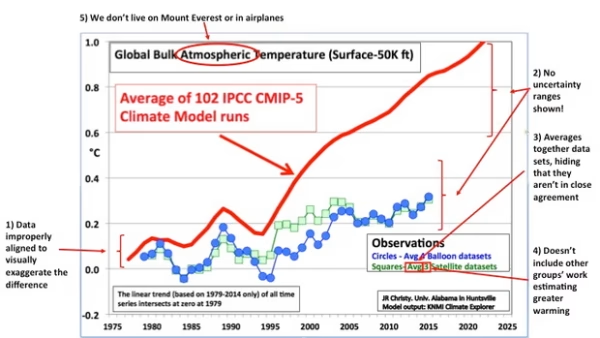
This information can create confusion and encourage distrust in scientific credibility. When faced with clashing information, people often focus on sources that align with their pre-existing beliefs. For climate change deniers, this further encourages their disbelief in the changes happening in the world.
Along with the media, political affiliation adds to the complexity of climate change denial. In the United States, the divide between Democrats and Republicans regarding climate change is drastic. Studies indicate that Republicans are more likely to express doubts about climate science compared to Democrats.
This difference in opinion can be connected to the traditionalist beliefs that favor limited government intervention and prioritize economic growth over environmental regulation. As a result, people may reject climate change to remain consistent with their political party, regardless of vast evidence presented by climatologists. The amount of people who do not believe in climate change is a little less than half the world. If large amounts of the world’s population do not recognize the importance of climate change, then climate change will become such a problem it will be near impossible to reverse
Climate change is a reality backed by extensive scientific research and increasingly showing itself in our changing environment. Despite some individuals expressing skepticism, the facts presented by reliable sources (United Nations: what is climate change?). Ignoring this urgent issue will danger our planet but also affect future ecosystems. It is important to acknowledge the scientific research and take action to combat climate change, as informed choices today can lead the way for a healthier Earth.
The controversy on why some people still do not believe in climate change comes from a distant mindset, misinformation and politics. As the impacts of climate change become increasingly visible, people must find ways to inform and promote a global understanding. By communicating and focusing on relatable sources, people can realize the importance of changing actions for the planet’s future. Fighting against climate change requires a collective effort, and proper information is a crucial step toward achieving a sustainable future.